

How Much Does Food Cost in Sri Lanka?
Published by Hela Editorial Team | Category: Food
Depends entirely on where you sit and what you order.
The reality, here in Sri Lanka, is that you could spend $2 on a rice and curry that leaves your taste buds tingling. You could also spend $25 on a mediocre pasta at a beachfront restaurant with fairy lights and live music.
Knowing the difference and where to go is the whole game, because Sri Lanka is one of the best places in Asia to eat well. But only if you know where to look.
The Truth Nobody Tells You
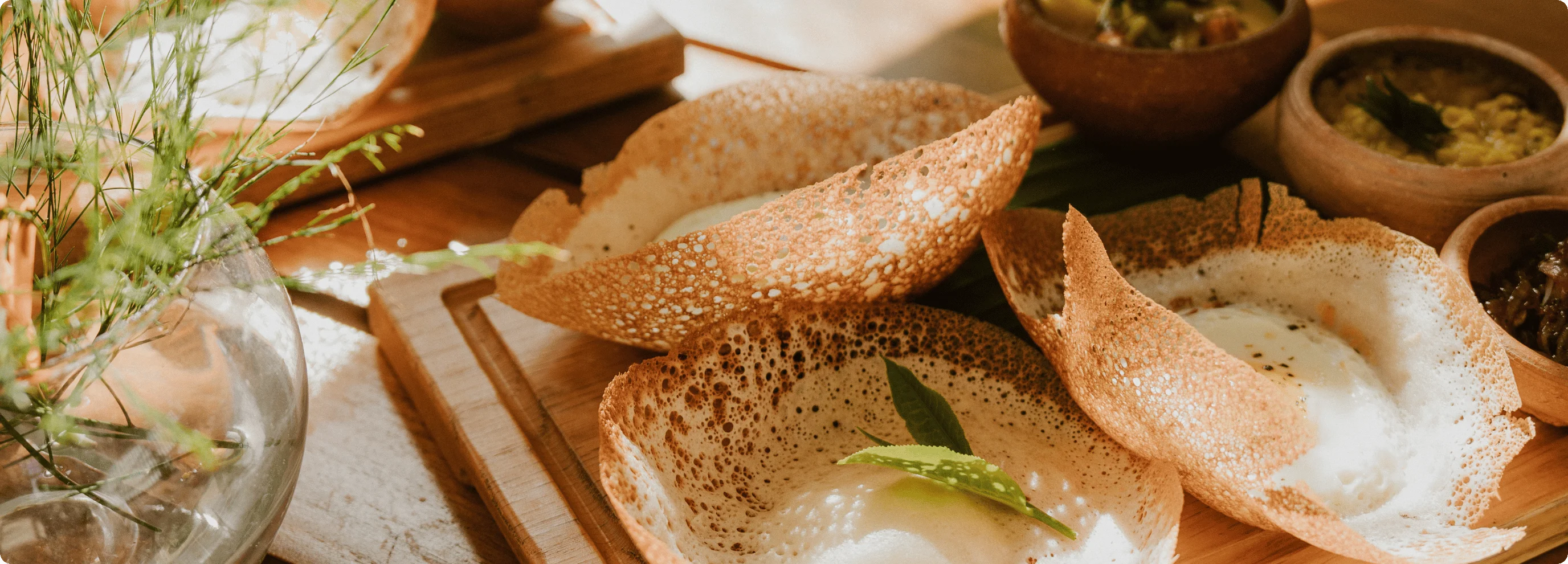
Somewhere along the way, Sri Lanka gained a reputation online as a “cheap food destination.”
That’s not entirely wrong, but that’s not the whole picture either.
Food in Sri Lanka is affordable by international standards. It is not, however, uniformly cheap everywhere across the island.
The gap between the cheapest meal and the most expensive one is wider than you might expect.
A local kade (roadside eatery) lunch and a fine dining restaurant in Colombo can both serve Sri Lankan food. One will cost $1.50 while the other costs $30.
Worth Knowing
Food prices in Sri Lanka have seen a steady rise since 2022, when the country went through a severe economic crisis. While prices have stabilised, they are not the same as they were five years ago (or even one year ago).
While Sri Lanka still offers value for international travellers, it’s important to come in with updated information and expectations.
Choosing Your Table
Where you choose to sit will determine everything - what you pay, the food that arrives and what the whole experience feels like.
When looking at the Sri Lankan dining scene, you can classify it into 4 levels. While this categorisation is not always cut and dry, it helps make things easier to grasp.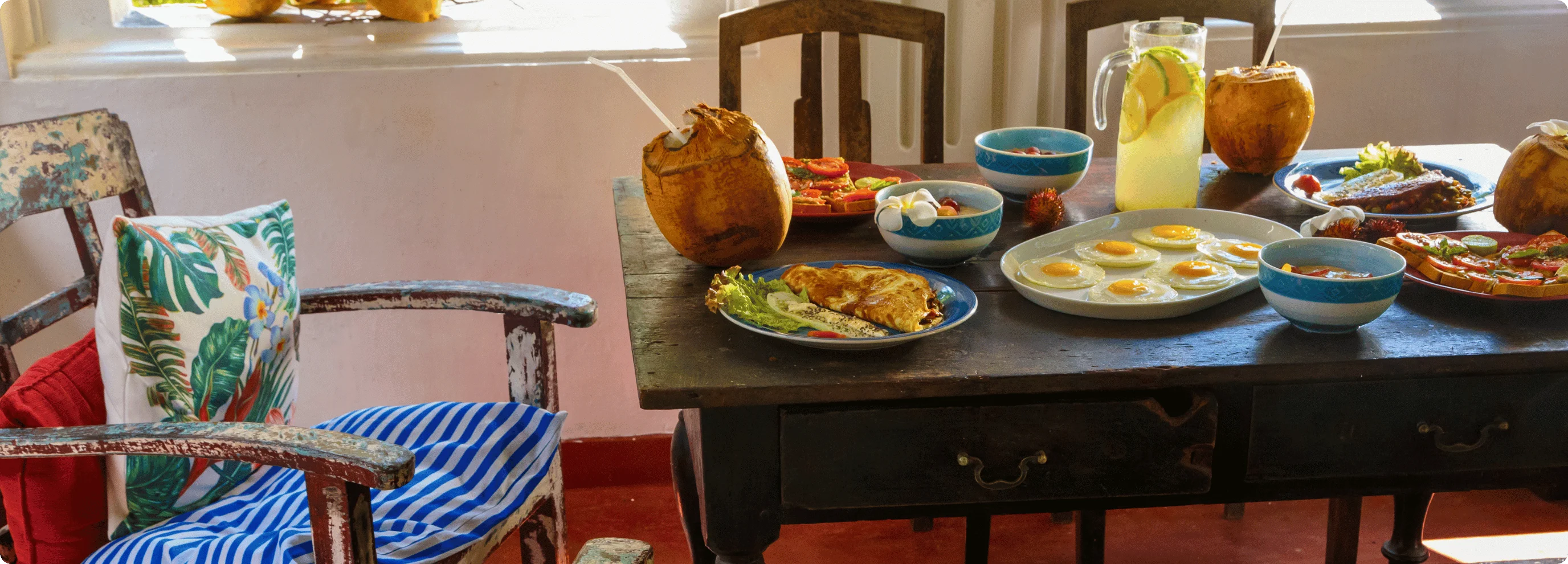 The 4 levels are:
- The local hotel/kade and Street Food
- Mid-range local restaurants
- Tourist-facing restaurants
- Upscale restaurants and hotels
The Local Kade and Street Food | Rs. 80-500 Per Meal
First things first, when you see a sign in Sri Lanka that says "hotel," it is probably not a hotel.
It is a local eatery with a few tables and a glass counter with curries behind it. This is where Sri Lanka actually feeds itself, every single day.
The food is freshly made that morning. The portions are generous. The prices are the lowest you will find anywhere, and the quality is, very often, okay. 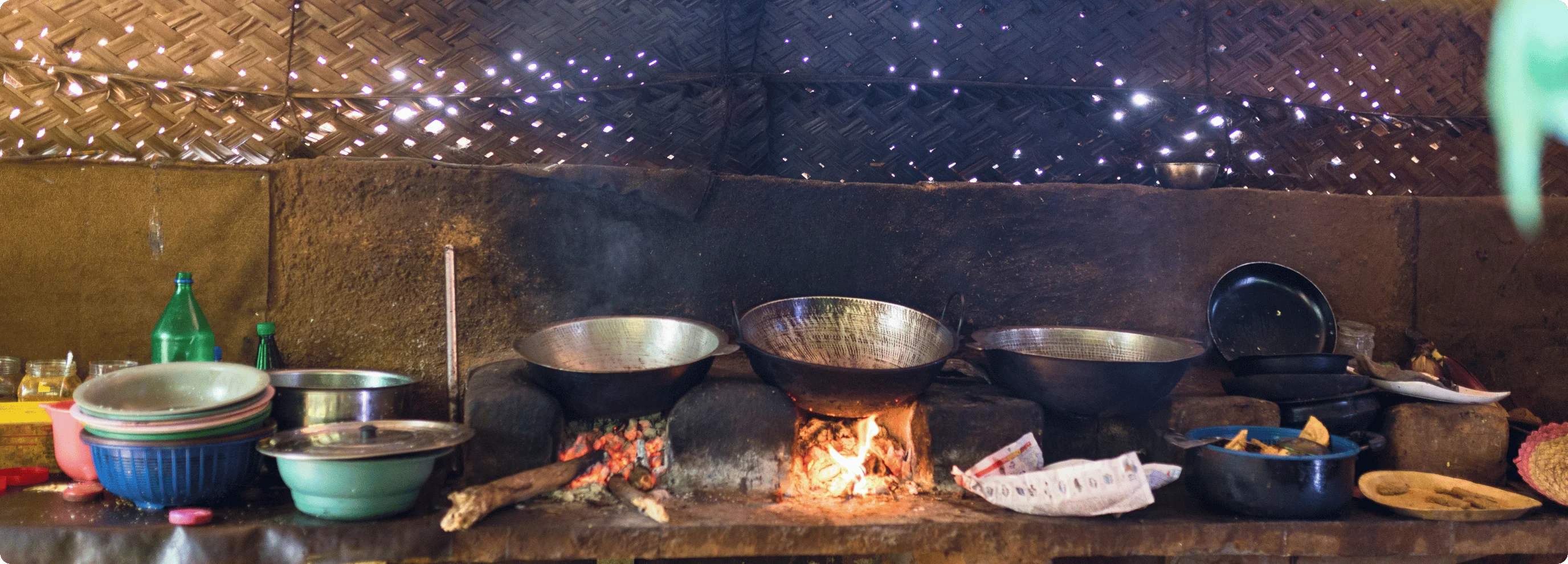
- A rice and curry with three to five curries, sambol and papadam comes in at LKR 400 – 700.
- Short eats - those crispy, snackable little things in the glass cabinet at the counter start from LKR 80.
Do not let the plastic chairs or the absence of a menu put you off. Some of the best meals on this island are served at tables that wobble.
Mid-Range Local Restaurants | Rs. 1,000-2,500 Per Main Dish
These restaurants are a step up. You can expect proper indoor seating, an actual menu and attentive service.
This is where you will find dishes that require more time and technique like a properly made lamprais, a seafood curry that's been given real attention and a kottu that's had a little more thought put into it. 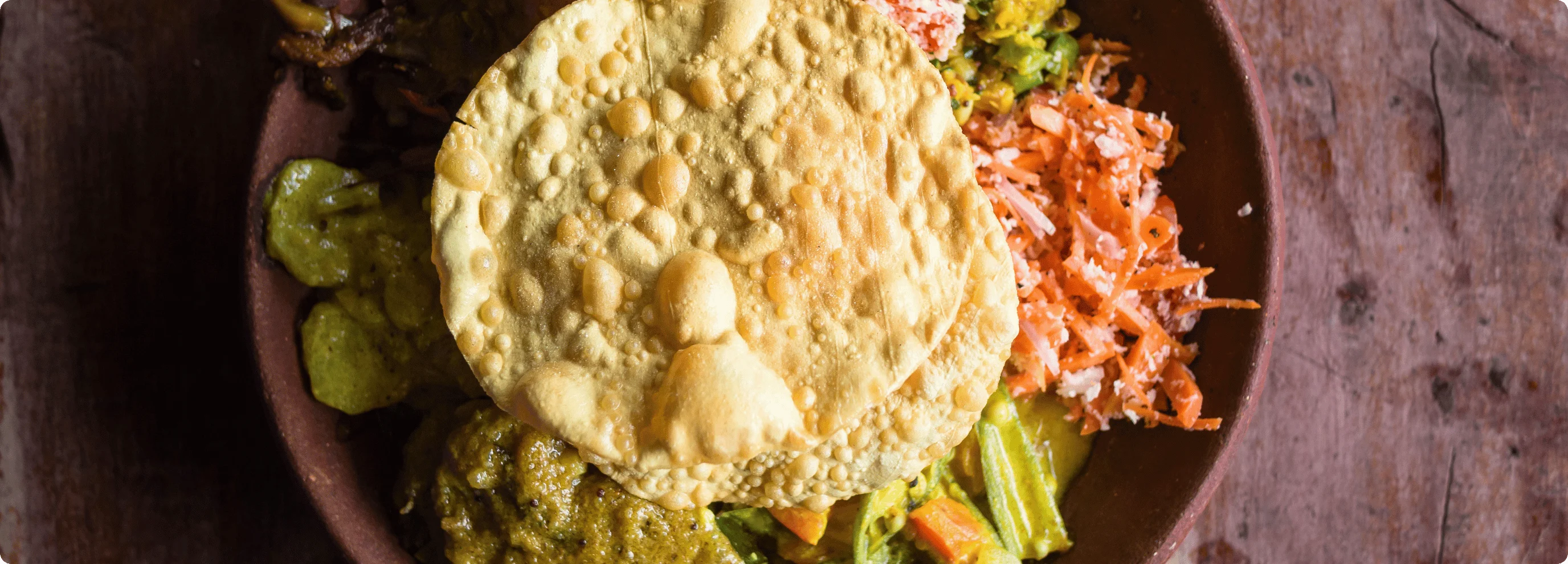
Some of Sri Lanka's most celebrated and well-loved restaurants live in this category. After all, the prices are reasonable and the food is delicious, making this the sweet spot.
Tourist-Facing Restaurants | Rs. 3,000-10,000 Per Meal
Now, these - you'll spot them immediately.
Western-style cafes, aesthetic interiors, menus printed on kraft paper and you’ll always find avocado toast on the menu. They exist in every tourist strip on the island and they also charge accordingly. 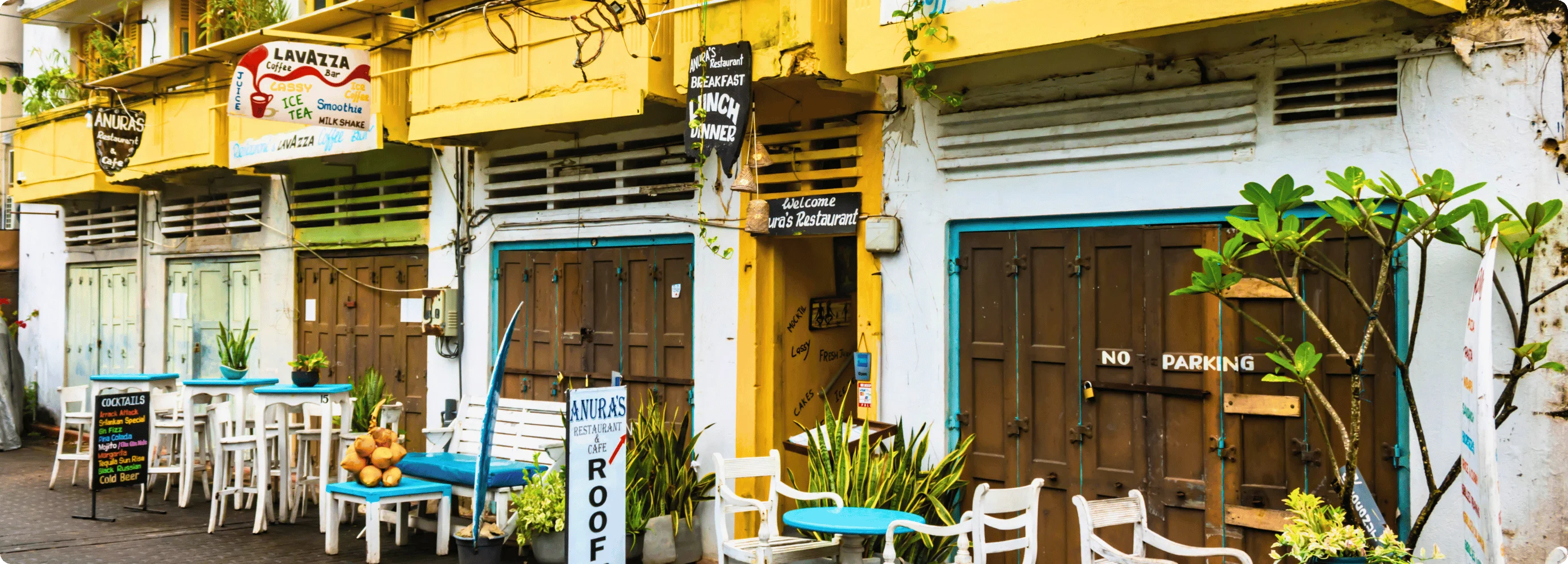
The food? Can range from genuinely good to mediocre.
You needn’t avoid this category entirely because some of these places are excellent. The best thing to do is to look online for reviews and know what you’re paying before you sit down.
Upscale Restaurants and Hotels | Rs. 5,000-18,000+
Colombo and Galle Fort have a fine-dining scene that has quietly become world-class, with chefs doing genuinely extraordinary things with Sri Lankan ingredients and technique. 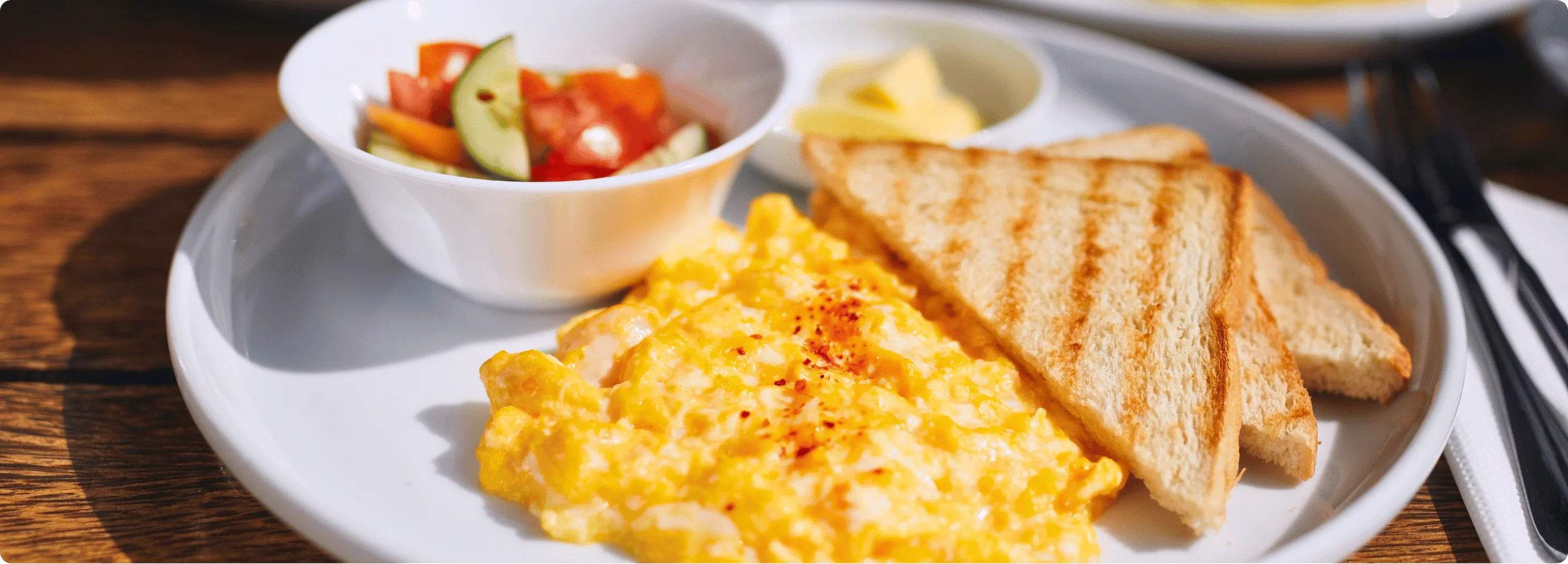
The best places in this category are not just good by local standards. They are restaurants that would hold their own in any city in the world.
What Things Actually Cost
Dish | Price (LKR) | Approx. USD |
Short Eats | LKR 80-300 | $0.25-0.89 |
Hoppers | LKR 50-250 | $0.15-0.74 |
Egg Hopper | LKR 100-650 | $0.30-2 |
String Hopper Meal | LKR 300-1,500 | $0.90-4.50 |
Kottu | LKR 700-5,000 | $2.10-15 |
Rice and Curry | LKR 400-6,000 | $1.20-18 |
Seafood | LKR 600-12,000+ | $1.80-35.70 |
*These are approximate costs based on the exchange rate USD 1 equals Rs. 336.83.
Where You Are Changes Everything
Your location changes the cost of food more than almost anything else.
- Remote towns off the tourist trail are where you find LKR 300 meals. Real ones, made fresh, eaten alongside locals who eat here every day.
- Colombo is where the full spectrum exists simultaneously. Street food under LKR 300. Mid-range restaurants at LKR 1,000–2,500. Fine dining at LKR 6,000 and above.
- The South Coast is beautiful, popular and priced accordingly. Tourist rates are the norm here, especially at beachfront cafes and mid-range restaurants.
- Ella is also fully tourist-facing at this point. Expect to pay more for everything, including dishes that cost a fraction of this everywhere else on the island.
- Galle Fort, with its boutique and atmospheric ambience, is deliberately expensive. The food inside the Fort is mostly good and the setting is extraordinary, but your wallet will feel the visit.
PSA
Overcharging tourists is something that can happen. Particularly on the South Coast, where there have been cases of vendors charging Rs. 1,000 for a tea and a wadai (something that could cost a tenth of that).
This is not a reason to be suspicious of everyone. Sri Lanka is genuinely a hospitable place. But a little awareness goes a long way.
Here’s what you can do to protect yourself:
- Look at the menu before you sit down. If there's no menu or no prices displayed, ask before you order, always.
- Know that most restaurants add a 10% service charge automatically. It'll be on the bill regardless of whether it's mentioned upfront.
- Pay cash for smaller meals wherever possible. Cards often come with a 3–5% surcharge tacked on, which can add up across a two-week trip faster than you'd expect.
The gap in price ranges is real. A kottu from a roadside cart and a kottu at a Colombo restaurant are both kottu, but with varying prices. Something worth noting is that the price difference reflects the setting, not necessarily the quality.
Know someone travelling to Sri Lanka soon? Share this with them so they can budget accordingly.
About the Author
The Hela Editorial Team is passionate about helping travellers discover Sri Lanka in a new light. From must-see attractions to curated itineraries and local gems, our content is created to make travel effortless and meaningful. Our goal is to equip travellers with useful, locally informed knowledge, so every trip feels like it was planned by a friend who's already been there.